
The Palaeolab is associated with, and supported by, the African Centre for Coastal Palaeoscience. We are grateful for seed funding from the South African National Research Foundation African Origins platform, the Nelson Mandela University Trust and Nelson Mandela University.
ONLINE POLLEN REFERENCE DATABASE: Click on the button below to access our fully-searchable digital pollen reference collection for the Cape Floristic Region
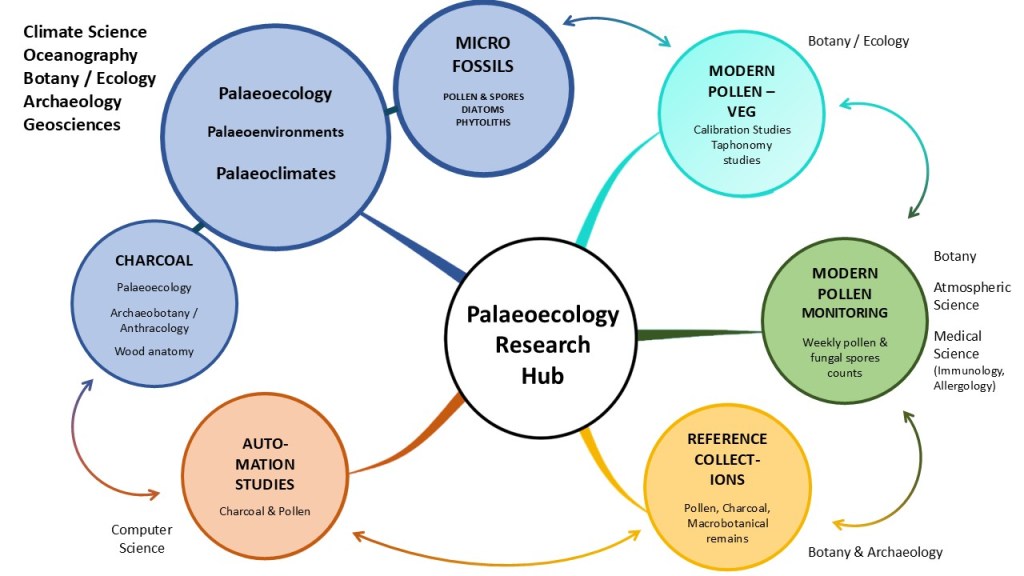
The Palaeolab is a palaeoecology laboratory I established at Nelson Mandela University in 2018, with seed funding from the National Research Foundation African Origins Platform, the Nelson Mandela University Trust and Nelson Mandela University, and with the support of the African Centre for Coastal Palaeoscience. It was built to address a real gap: South Africa had no dedicated, fully equipped palynological facility of this kind. I am now Senior Researcher at the Evolutionary Studies Institute at the University of the Witwatersrand and a Research Associate at Nelson Mandela University.
While our initial and primary focus is on pollen analysis, our overarching goal is to establish a highly versatile open science resource-base for palaeoscience research in South Africa.
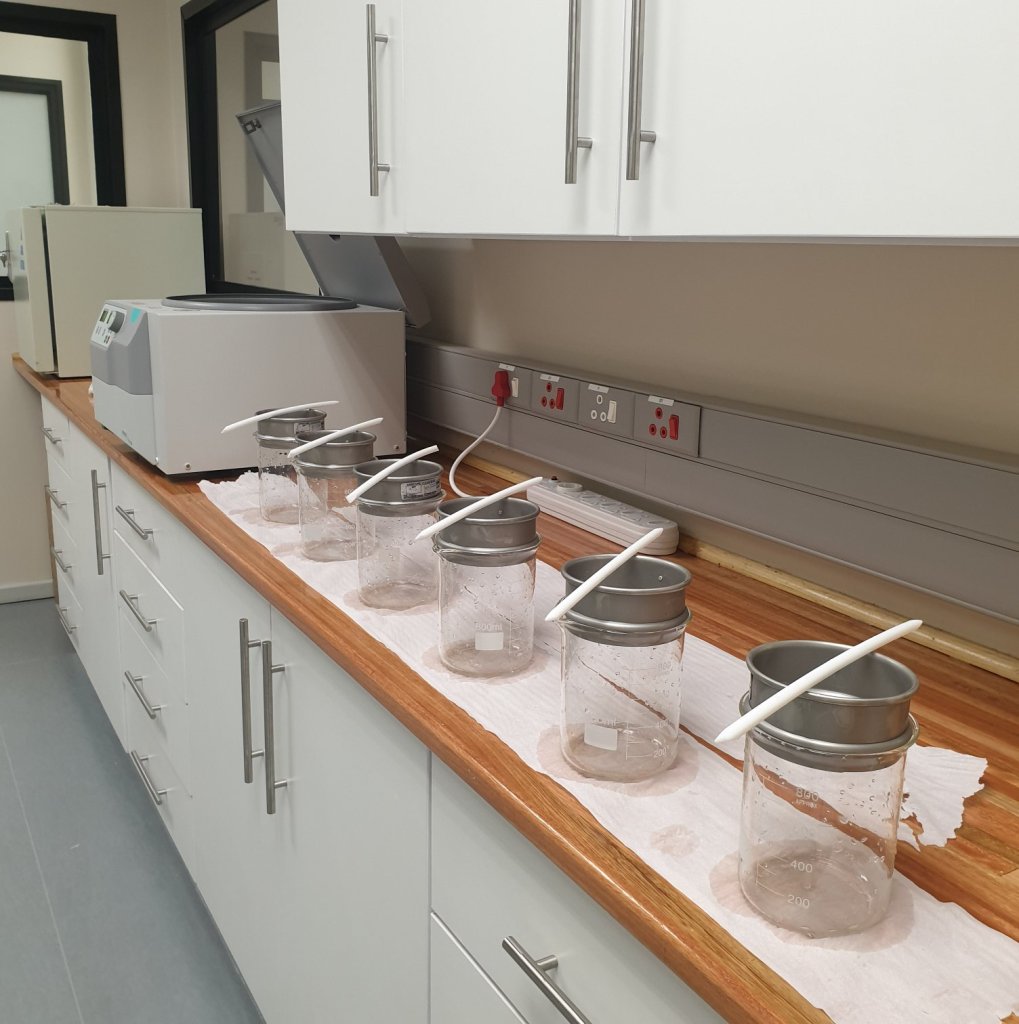
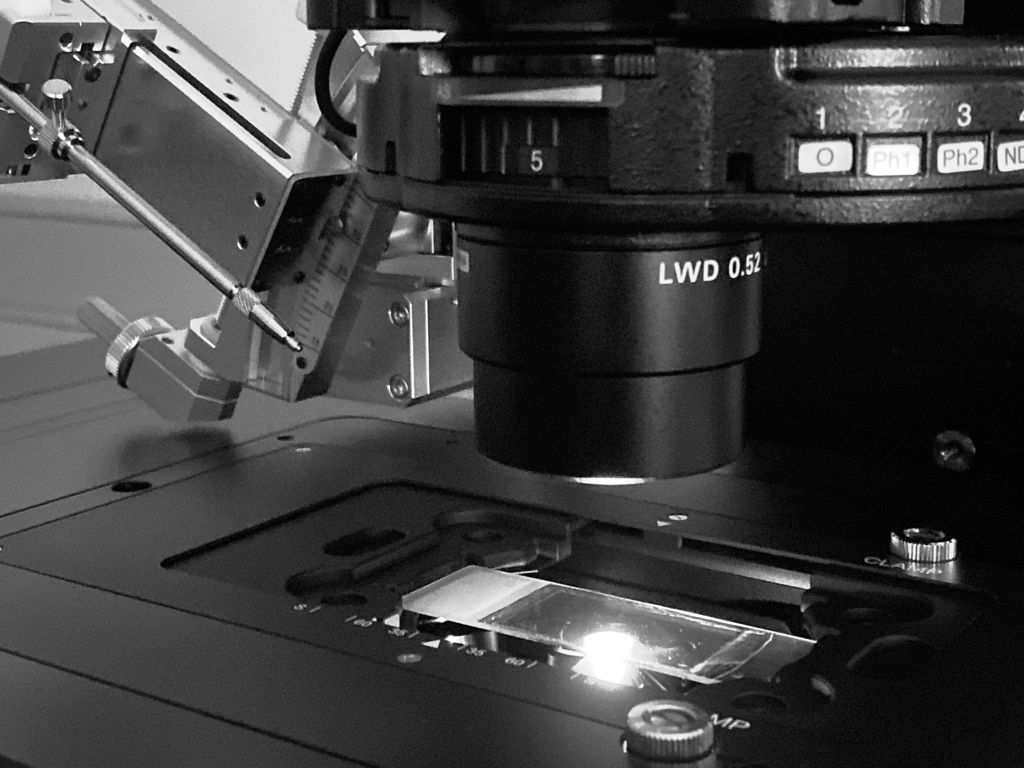
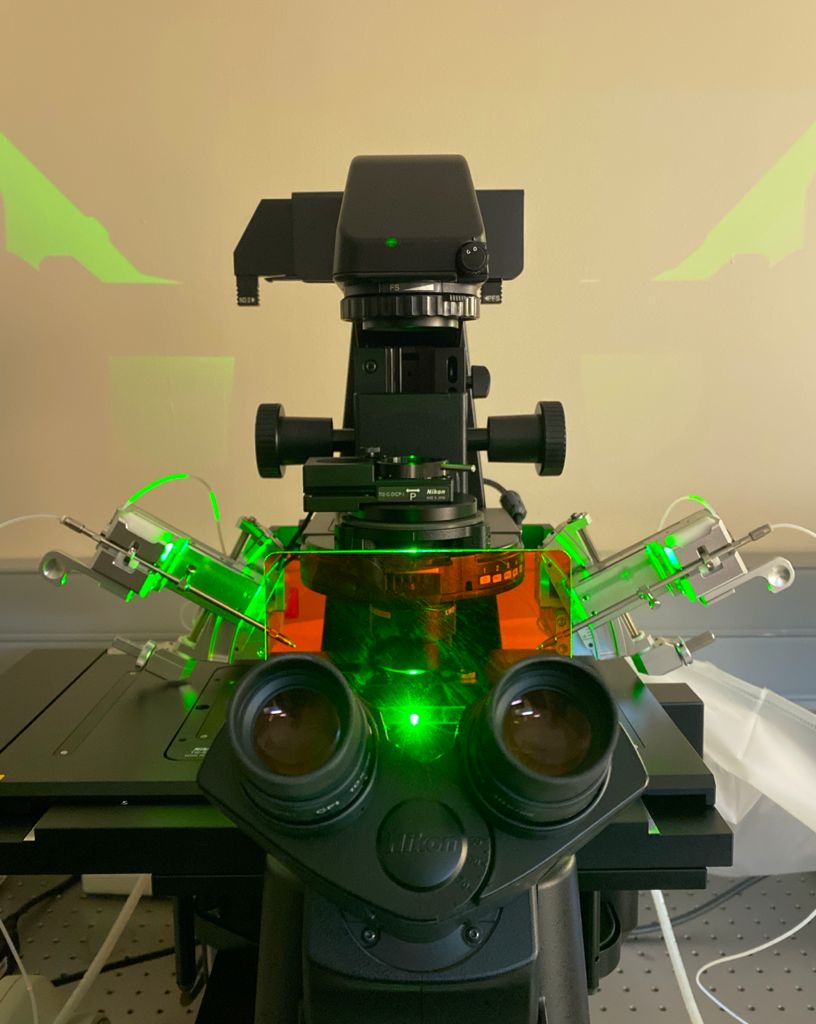
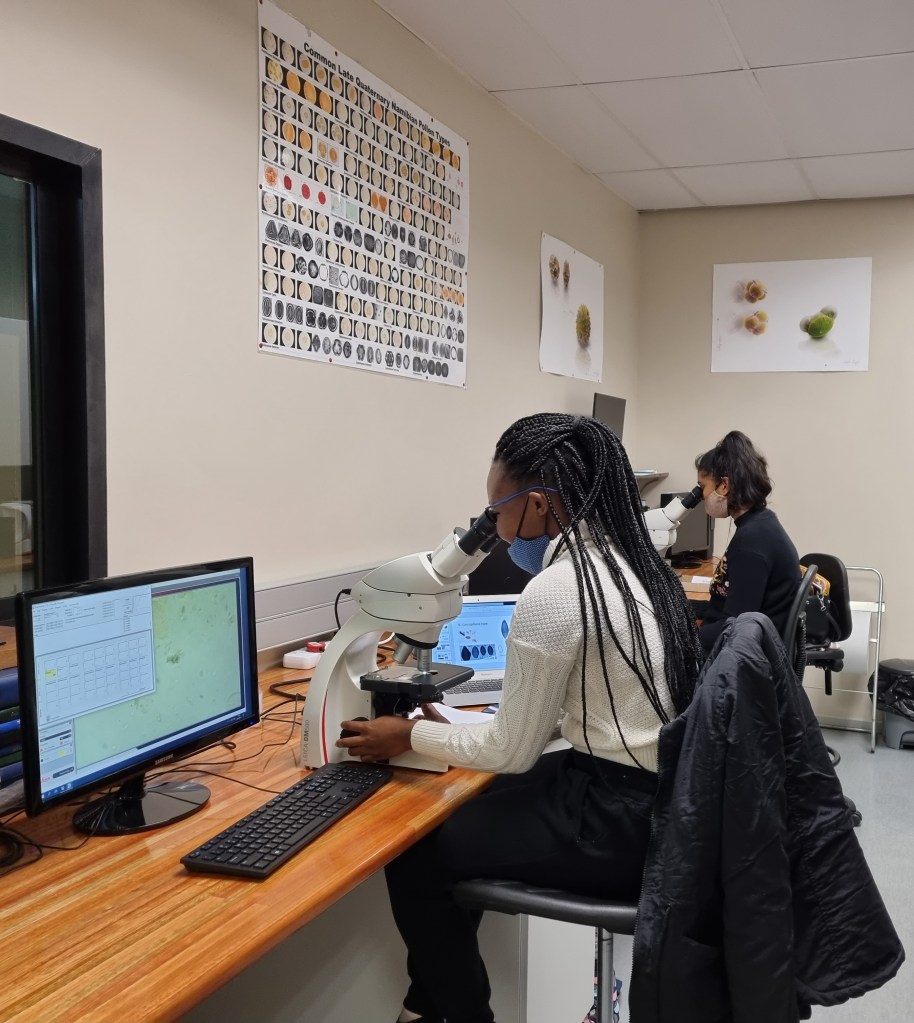
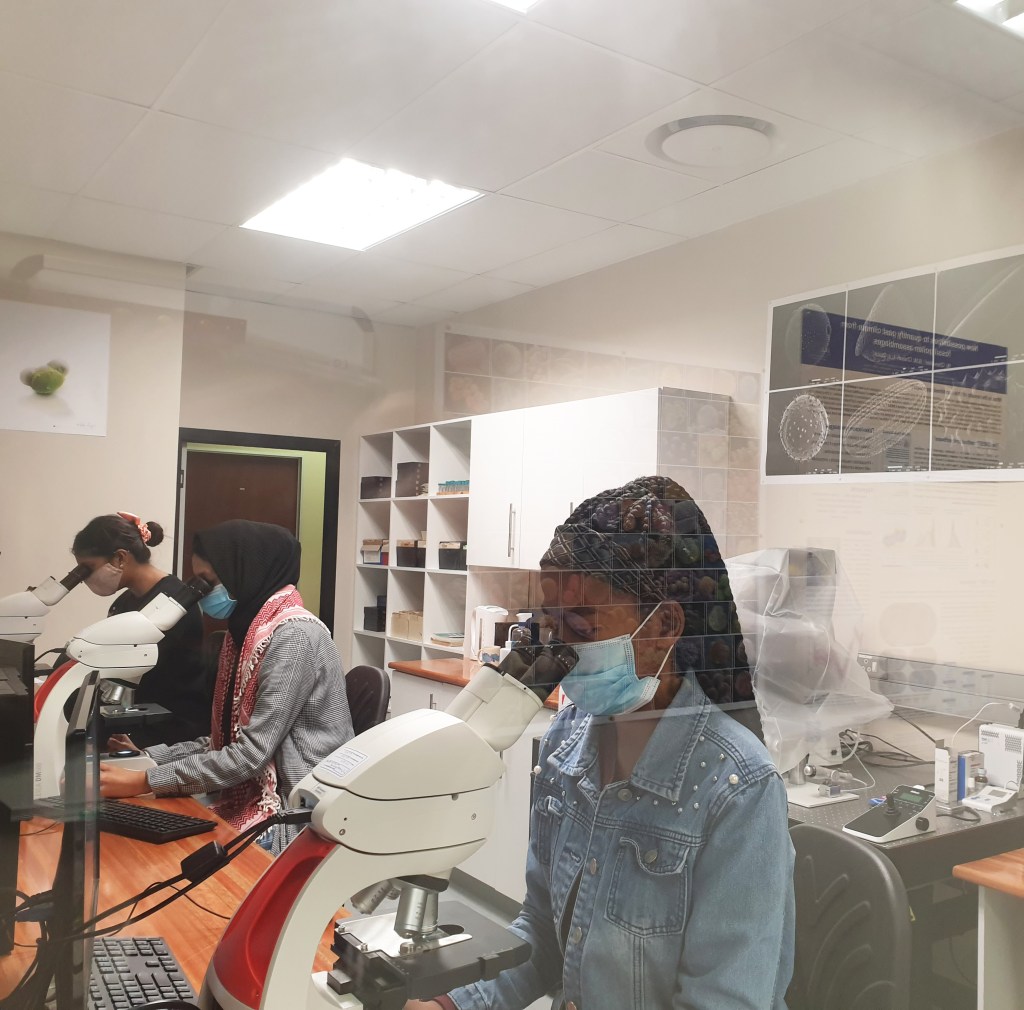
The laboratory was equipped for the full palynological workflow. The processing laboratory handles the concentration and extraction of palynomorphs from sediment samples. The microscope room holds four Leica DM500 and one DM2000 LED light microscopes, a Nikon ECLIPSE Ti2-E inverted microscope with fully automated stage and micromanipulation capability, and a fully encoded ZEISS Axiolab 5 KMAT transmitted and reflected light microscope with camera for anthracology.
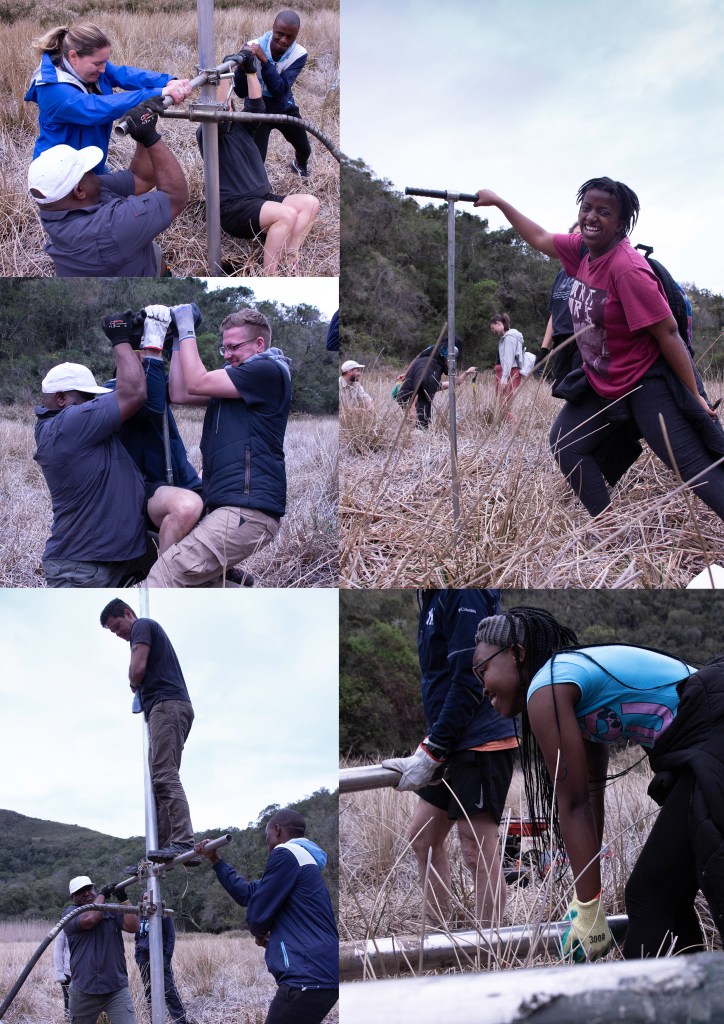
Fieldwork
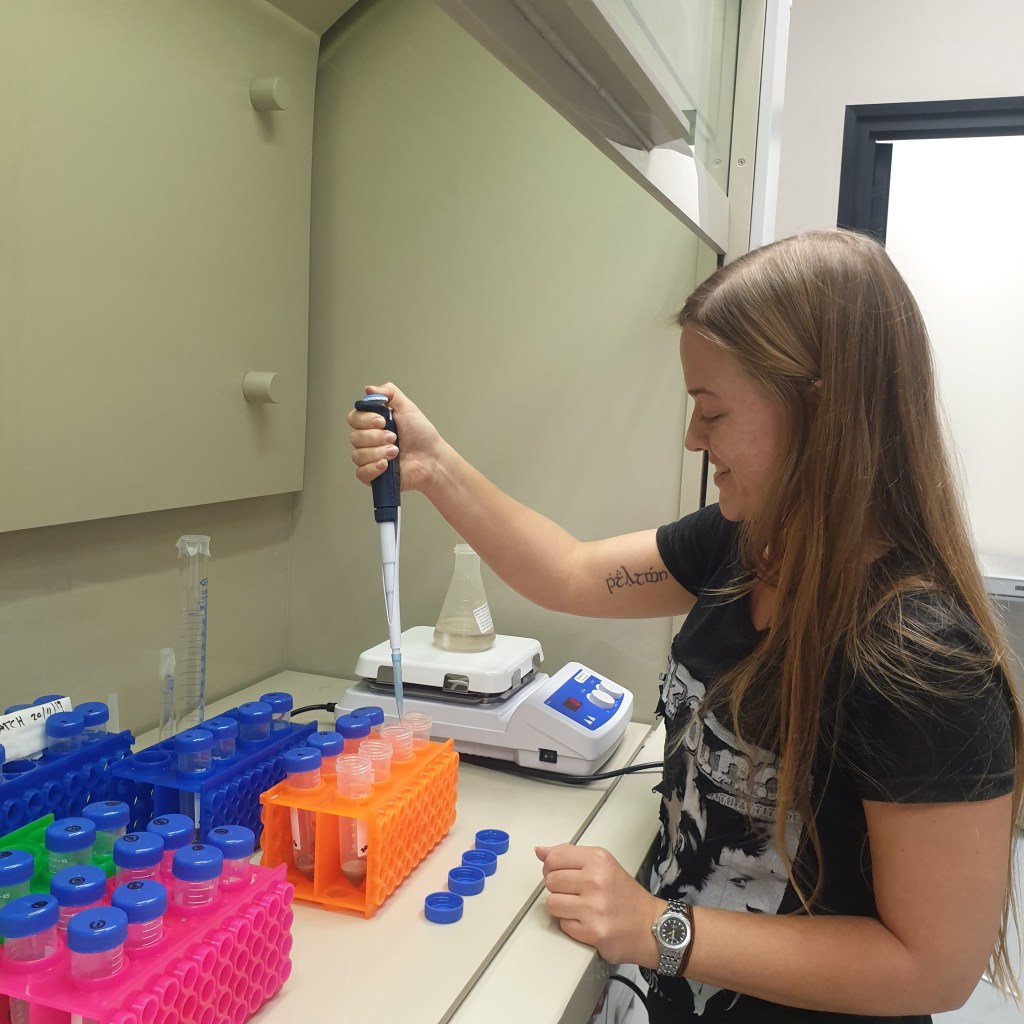
Labwork
Capacity building & Training
The Palaeolab was built as much for training as for analysis. Postgraduate students who came through it have completed Honours, Masters and doctoral research across pollen, dung fungal spore, sedimentary charcoal, phytolith and diatom analysis, and several received specialised palynological training, not otherwise available in South Africa, through an intensive workshop at the Universidad de León in 2022. Three of that cohort are now registered for doctorates.
Looking for a postgraduate project?
I am taking students at the Evolutionary Studies Institute at Wits from 2027.
Modern pollen monitoring
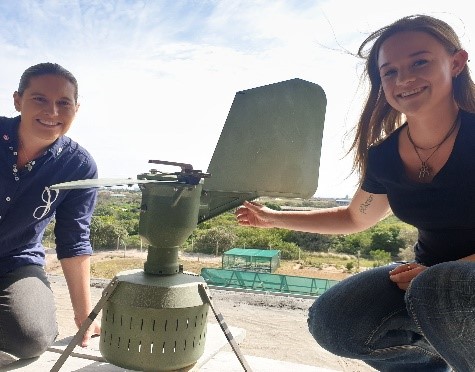
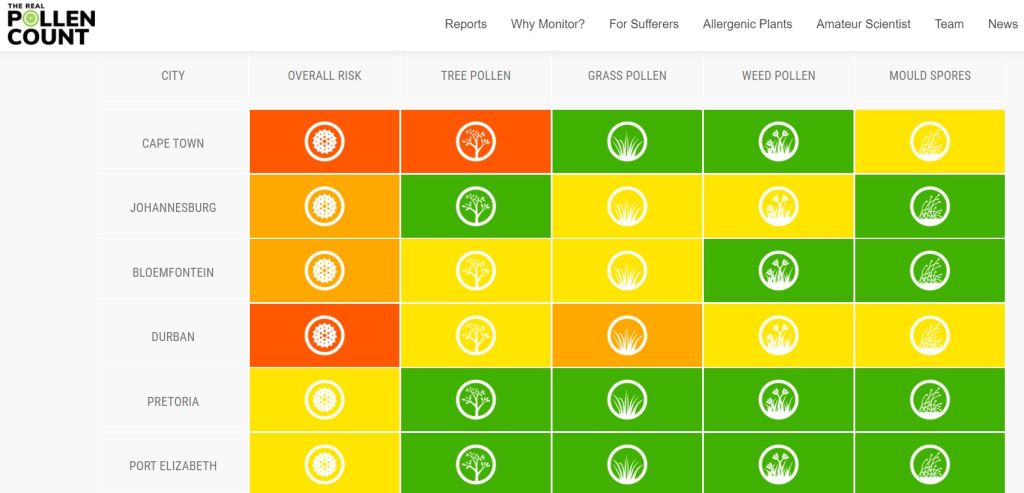
The Palaeolab manages Gqeberha’s only pollen and spore trap and generates weekly pollen and spore data for the city. This work forms part of a national monitoring network (www.pollencount.co.za).
 Lynne J. Quick