
My research asks three linked questions. How did southern Africa’s biodiversity hotspots come to be so diverse? How have they changed across the glacial-interglacial cycles of the late Quaternary? And what does that history tell us about the environments in which our own species evolved, and about how these ecosystems will respond to future climate change?
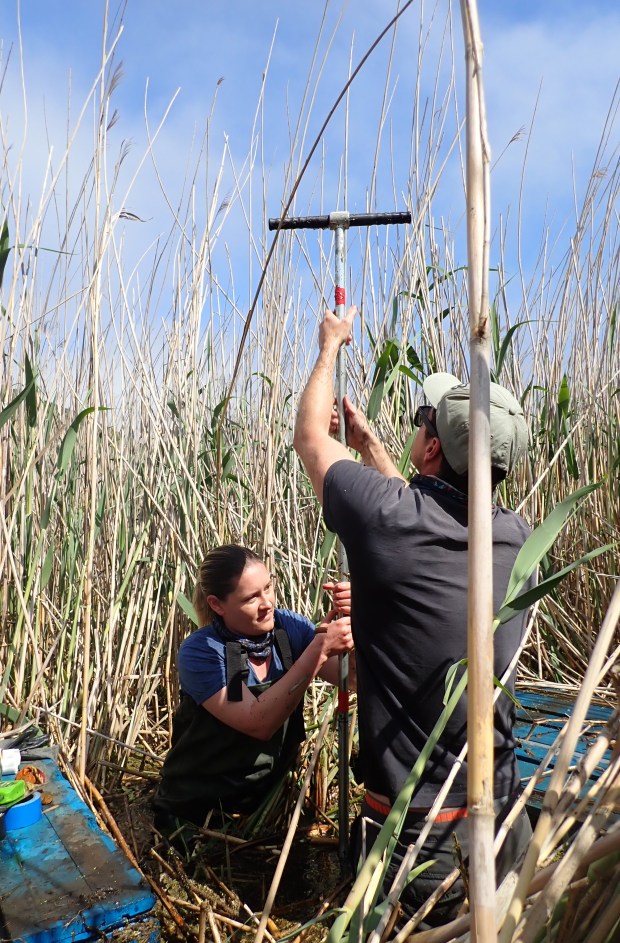
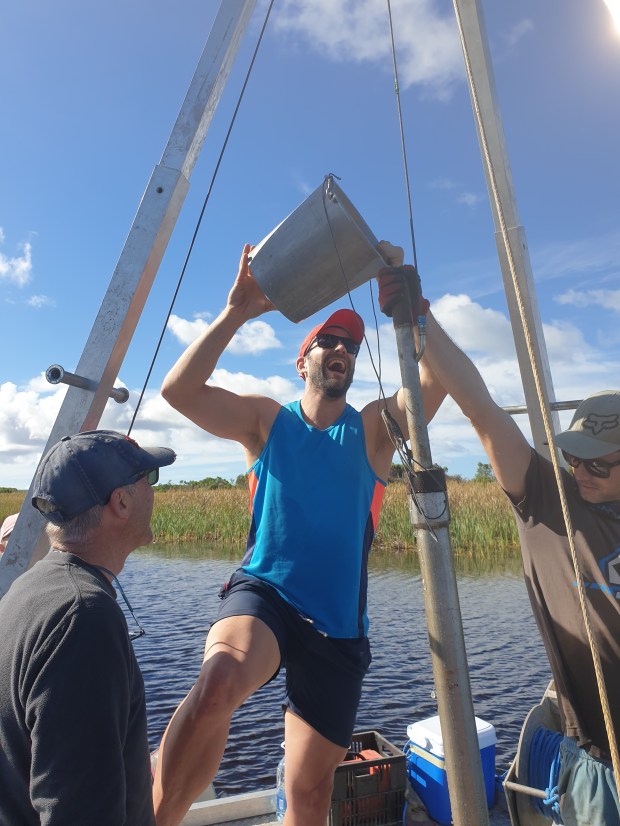
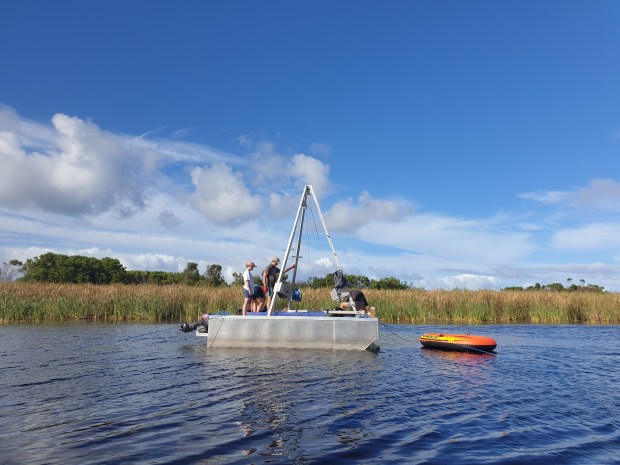
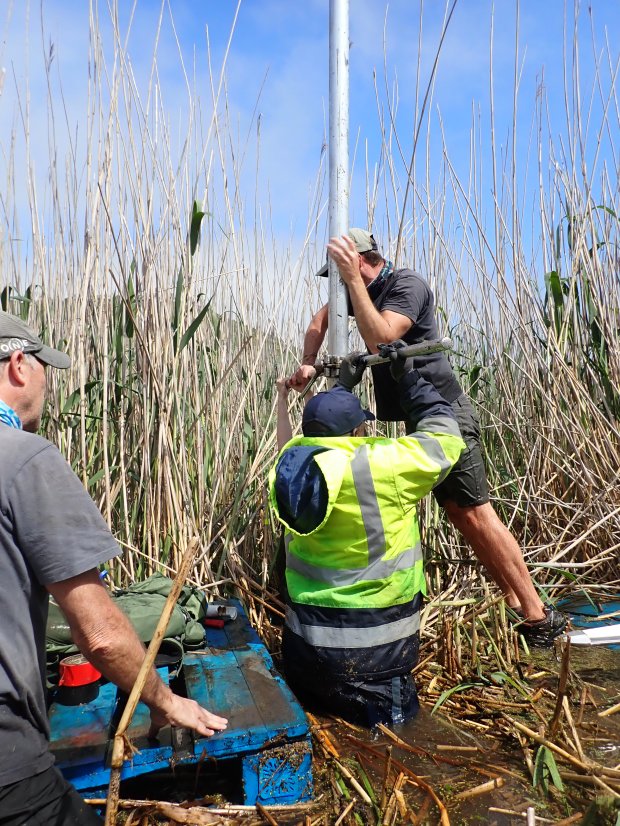
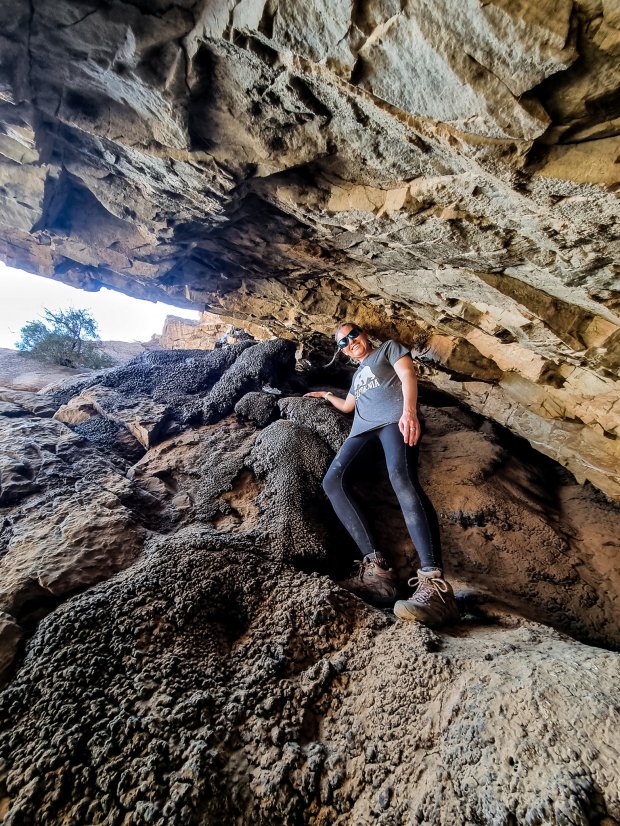
The work is field-based and archive-driven. We core lakes, wetlands and peatlands, and we collect rock hyrax middens from the mountains of the Cape Fold Belt. These archives are then analysed within a multi-proxy framework: pollen for vegetation, dung fungal spores for herbivory, micro- and macro-charcoal for fire, phytoliths and diatoms, and geochemistry for hydrology and climate.
Current projects
NRF African Origins Platform
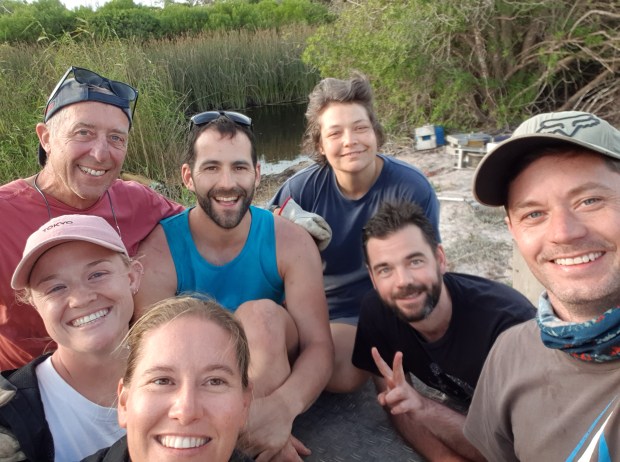
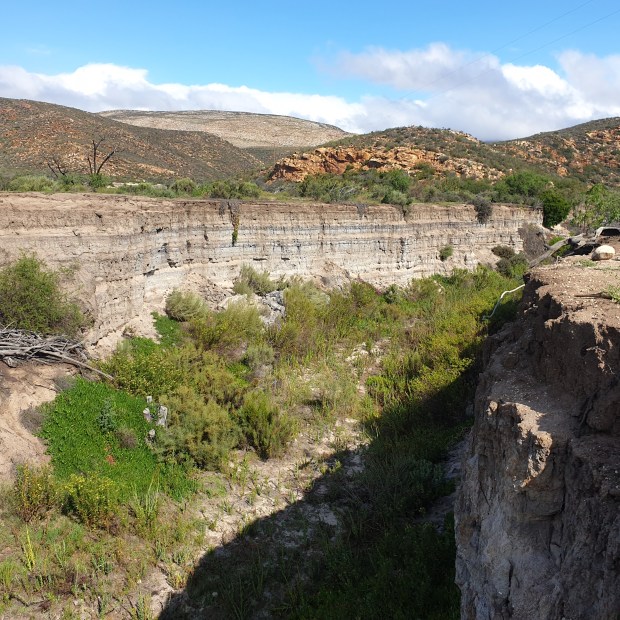
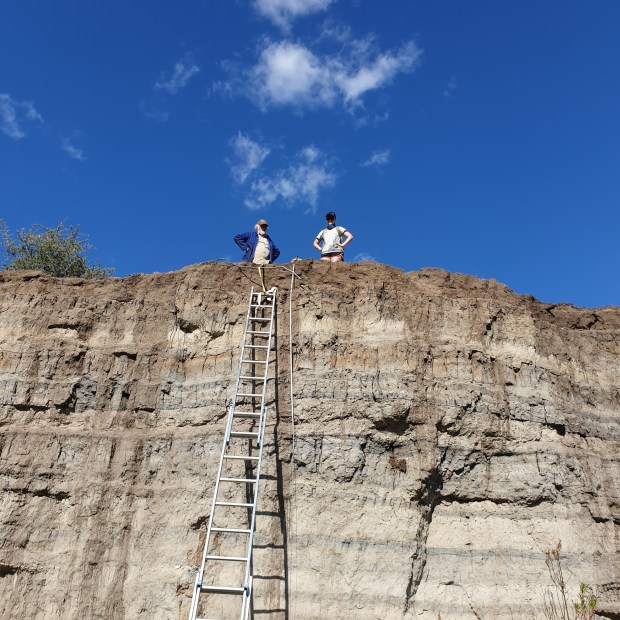
Past dynamics and distribution of South Africa’s biodiverse systems, 2022–2027. Funded by the National Research Foundation under the African Origins Platform, Grant 136507. A multi-institutional project collecting palaeo-archives across environmental gradients in the Cape Floristic Region and the Maputaland-Pondoland-Albany Region, to reconstruct changes in vegetation, herbivory, fire, hydrology and climate, and to build regional palaeoscience capacity.
Project details, team, field sites and outputs →
Modern pollen monitoring and pollen-vegetation calibration
Fossil pollen records are only as good as our understanding of how living vegetation is represented in the pollen rain. We run a pollen trap network across the Cape Floristic Region and contribute to South Africa’s national airborne pollen monitoring network, which also feeds directly into allergy diagnosis and public health.
Fire histories of the fynbos
Fire is the defining ecological process of the fynbos biome, and yet its long-term history is poorly known. With collaborators at the University of Utah and elsewhere we are building high-resolution sedimentary charcoal records to separate climatic from human drivers of fire activity over the last several thousand years.
Resources and people
The Palaeolab →
Our collaborators →
Data and open science →
Join the group →








 Lynne J. Quick