
The Palaeolab is associated with, and supported by, the African Centre for Coastal Palaeoscience. We are grateful for seed funding from the South African National Research Foundation African Origins platform, the Nelson Mandela University Trust and Nelson Mandela University.
ONLINE POLLEN REFERENCE DATABASE: Click on the button below to access our fully-searchable digital pollen reference collection for the Cape Floristic Region
My primary role as Senior Researcher at the Evolutionary Studies Institute at Wits and as a Research Associate at Nelson Mandela University is to run a palaeoecology laboratory – the “Palaeolab”.
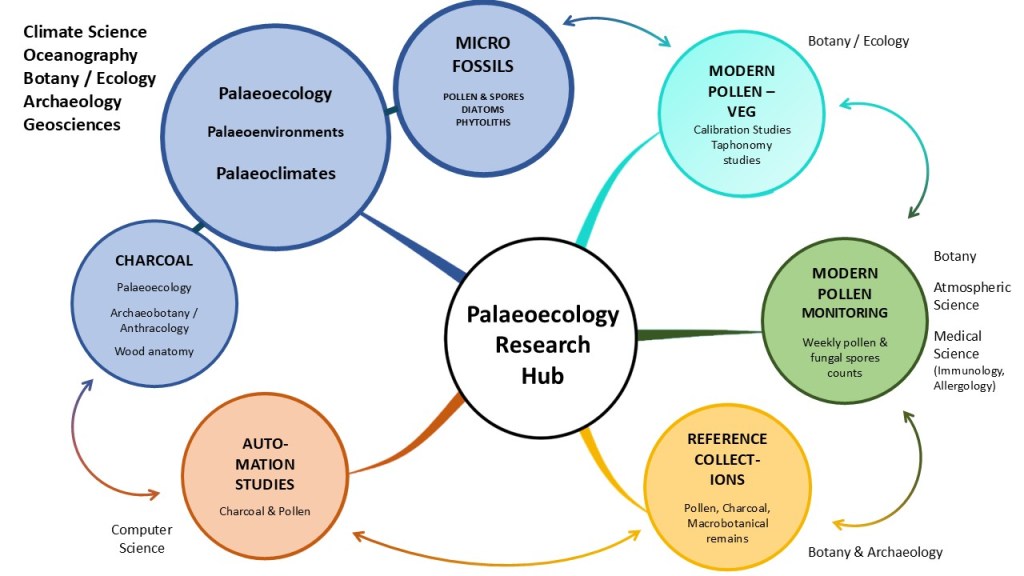
While our initial and primary focus is on pollen analysis, our overarching goal is to establish a highly versatile open science resource-base for palaeoscience research in South Africa.
Facilities
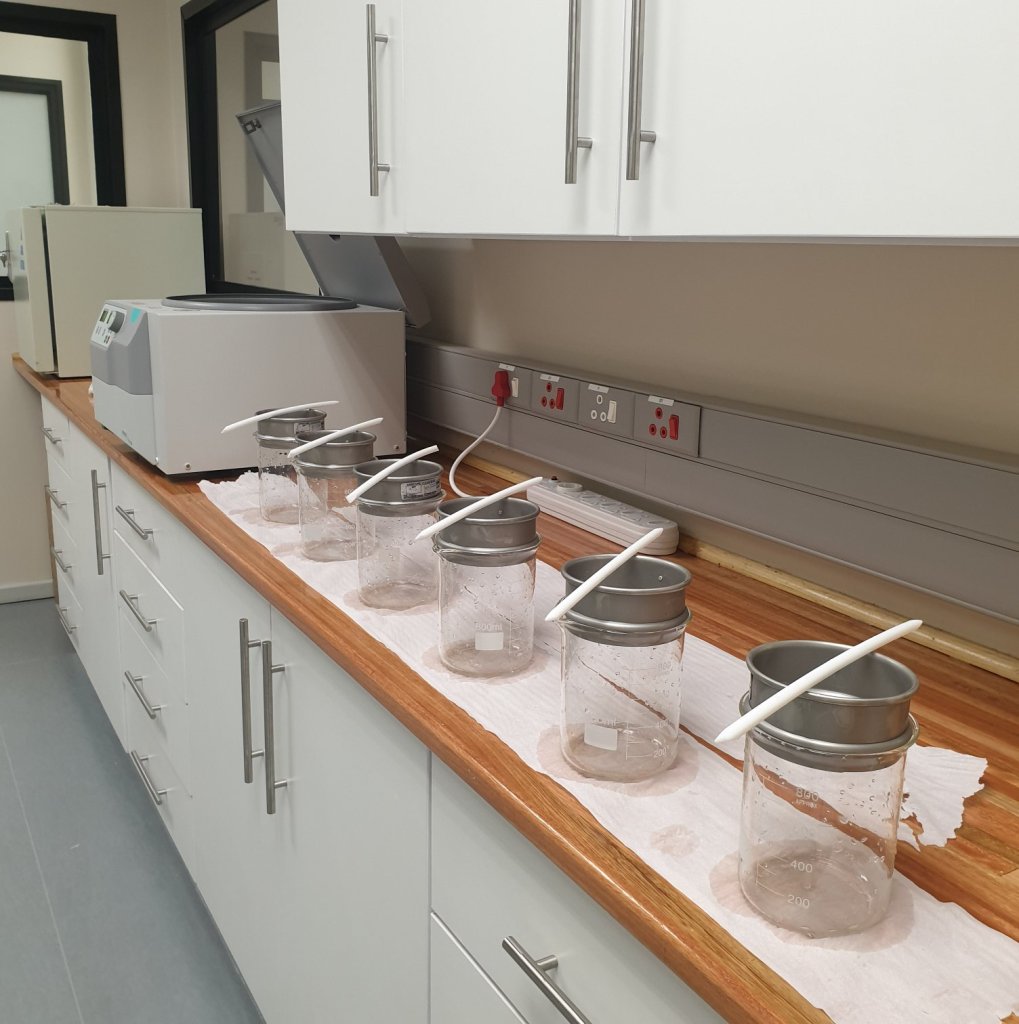
Processing laboratory: In line with the primary focus of the palaeolab, we have a processing laboratory with standard equipment to aid in the concentration and extraction of palynomorphs from sediment samples.
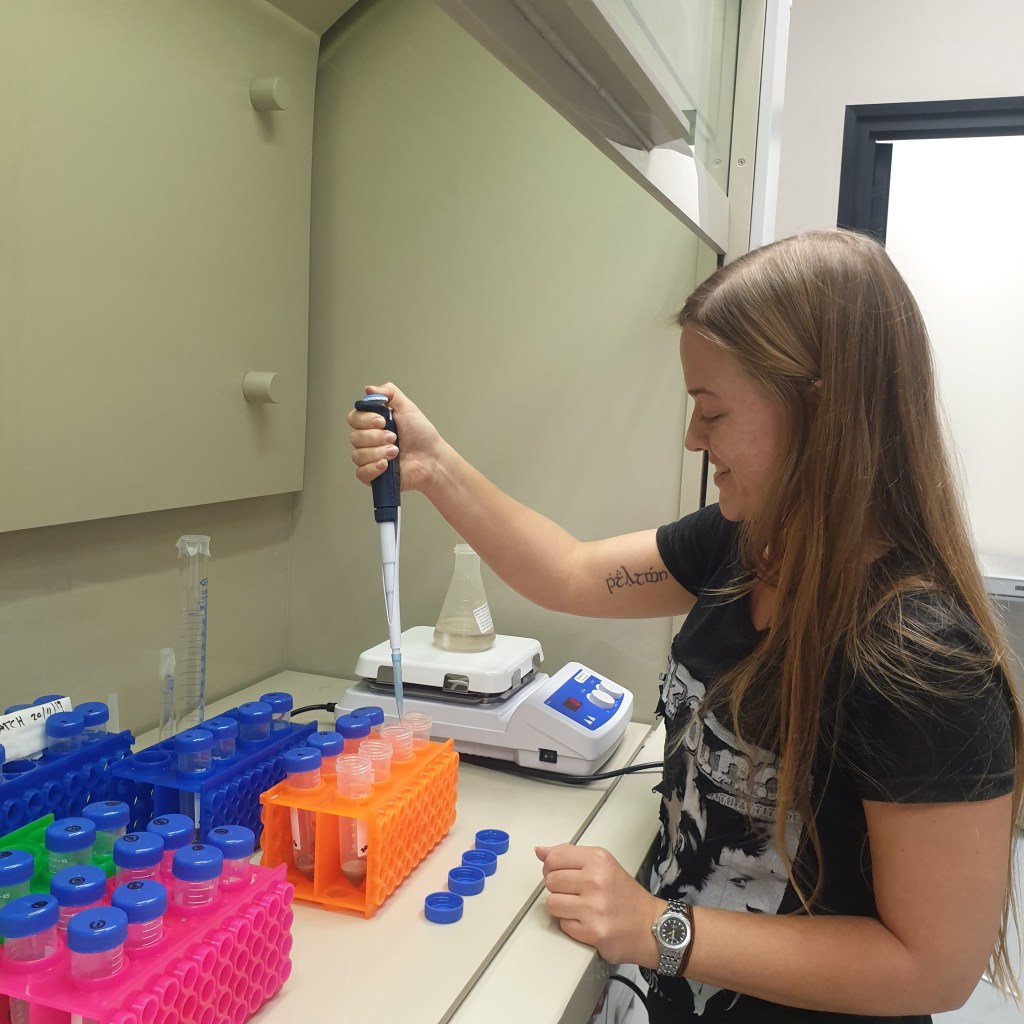
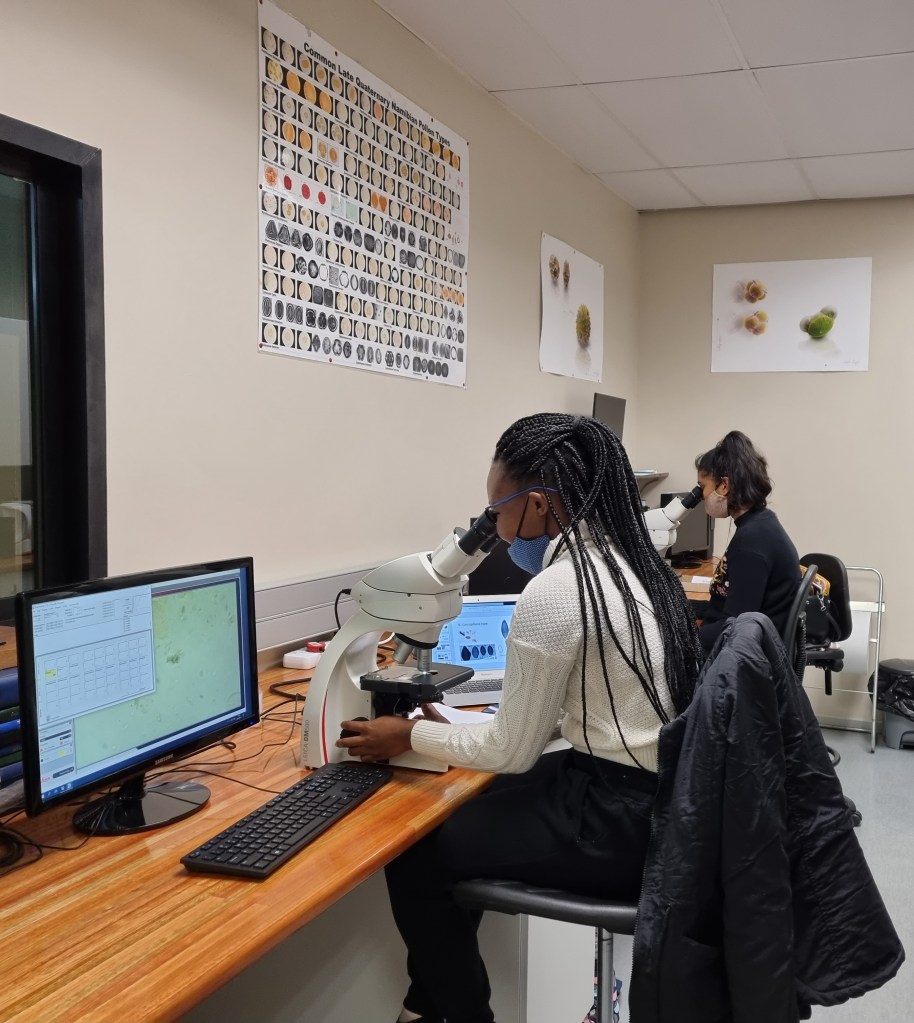
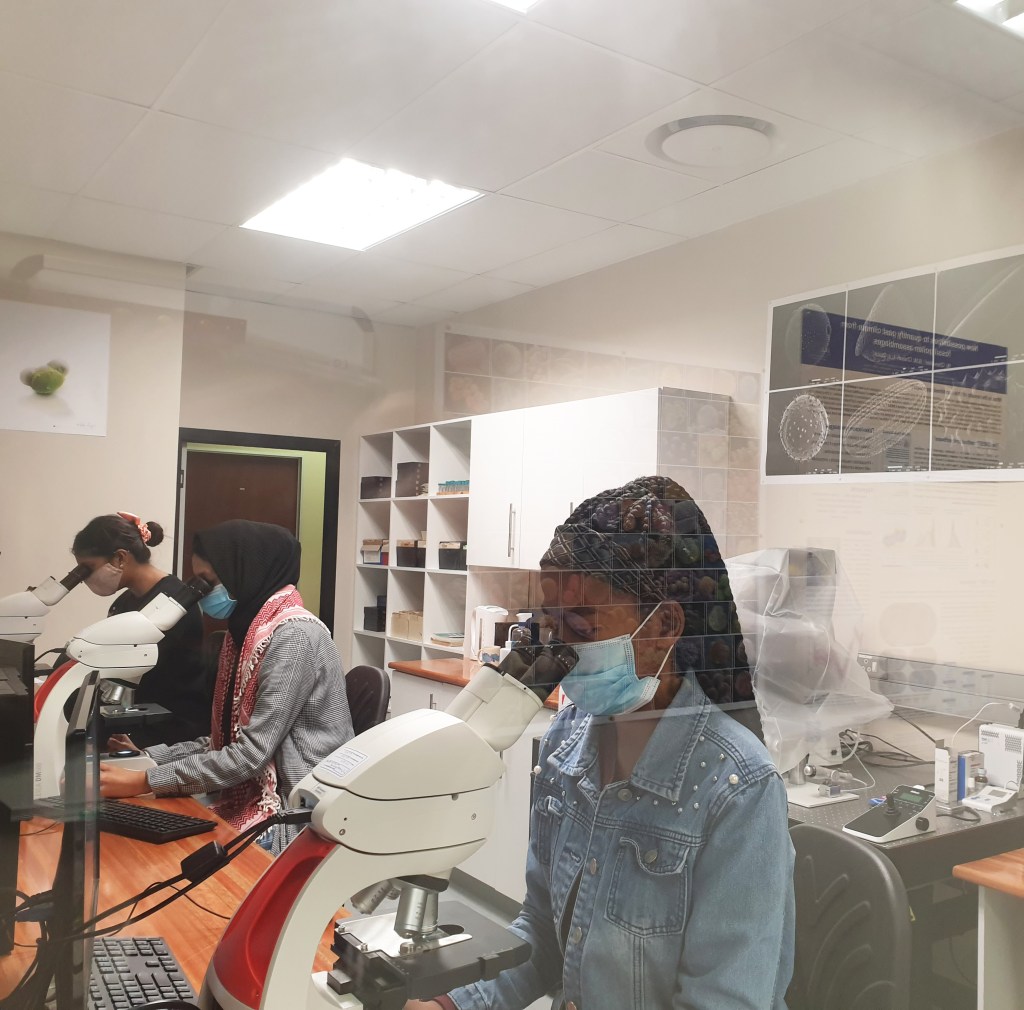
Microscope room: Microfossil identification and counting takes place in our state-of-the-art microscope room where we have four Leica DM500 and one DM2000 LED light microscopes.
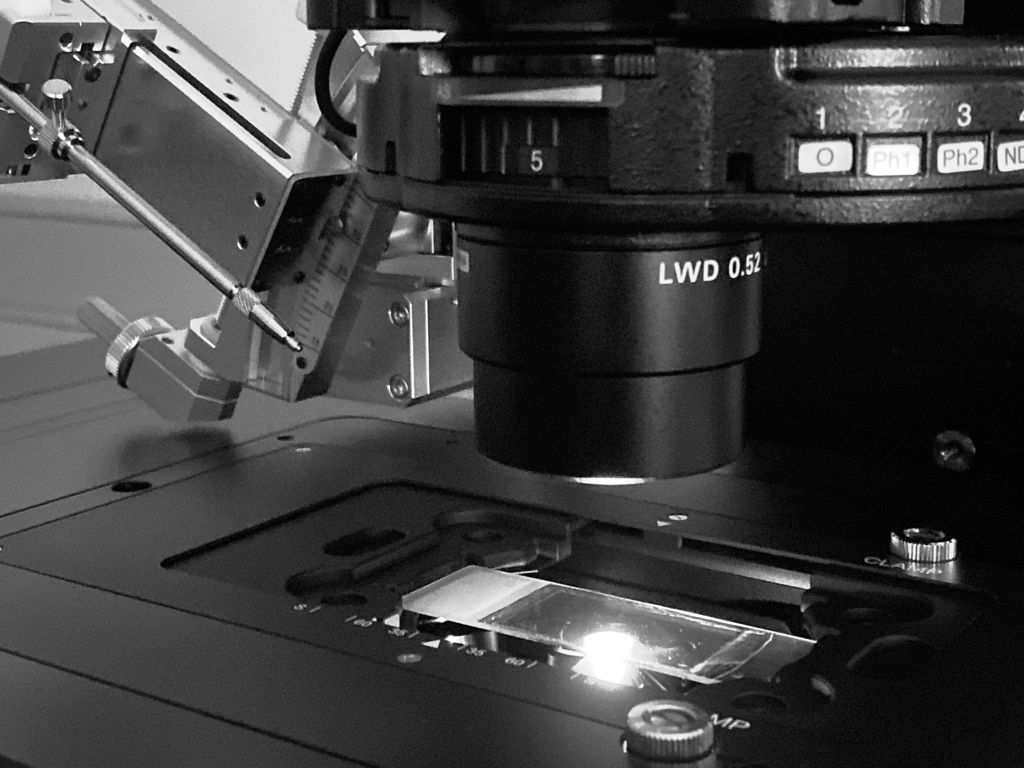
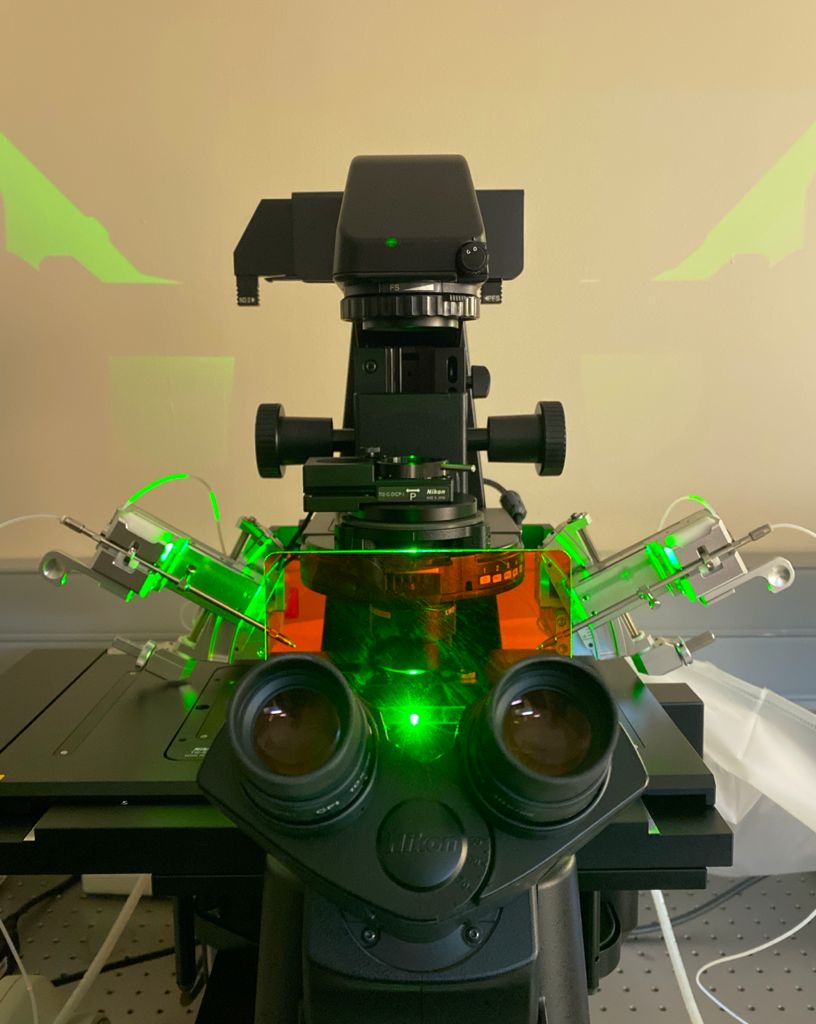
The key features of the Palaeolab is our Nikon ECLIPSE Ti2-E Inverted Microscope with fully automated stage and micromanipulation capabilities.
We also have a ZEISS Axiolab 5 KMAT Transmitted & Reflected Light Microscope Fully encoded, with camera for Anthracology (fossil wood analysis).
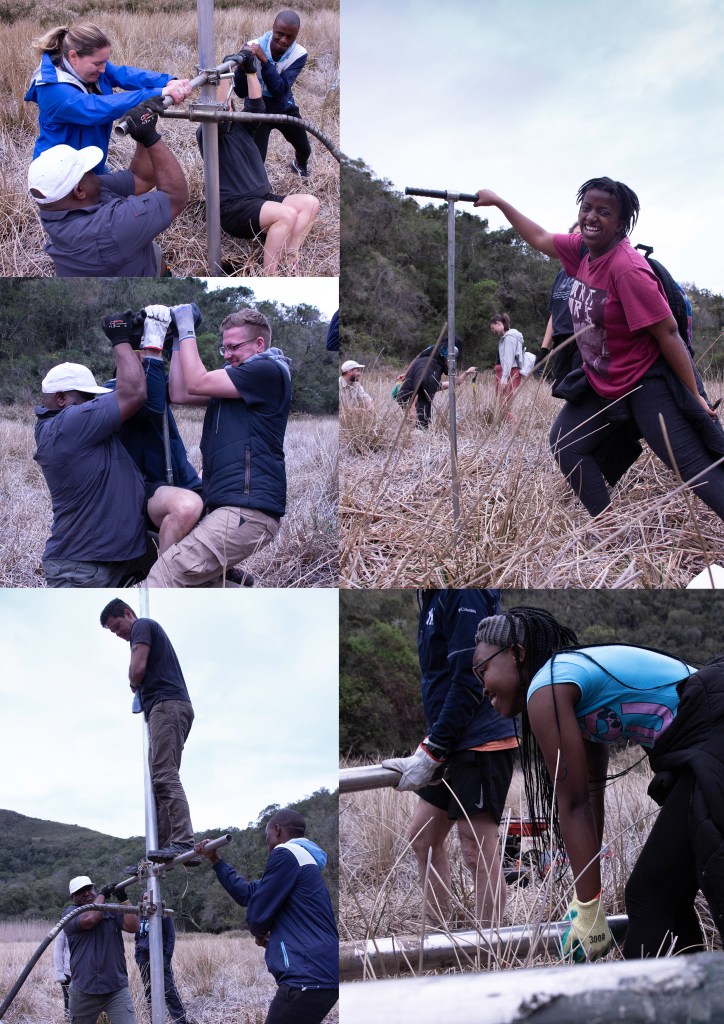
Fieldwork
Labwork
Student projects
We can offer Honours, Masters and Doctoral level projects (and co-supervision opportunities) within the broad themes of:
- Pollen Analysis (to reconstruct vegetation histories)
- Dung Fungal Spore Analysis (to investigate herbivory and human impacts on landscapes)
- Sedimentary Charcoal Analysis (to reconstruct fire histories)
- Phytolith Analysis (to reconstruct vegetation histories)
- Fossil Diatom Analysis (to reconstruct hydrological and oceanographic changes)
- Anthracology / Analysis of Macrobotanical remains (archaeological application, reconstruct vegetation and human impacts on landscapes, wood anatomy)
Transdisciplinary connections with the fields of: Botany (palaeoecology – ecology links, wood anatomy, marine botany – diatoms). Geology (sedimentology, geochemistry), Zoology (herbivore – fungal spore relationships), Ocean & Coastal Science (coastal wetlands), Medicine (allergies – pollen) and Computer Science (automation, machine learning)
Modern pollen monitoring
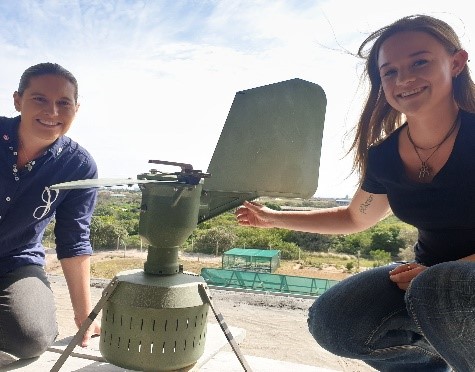
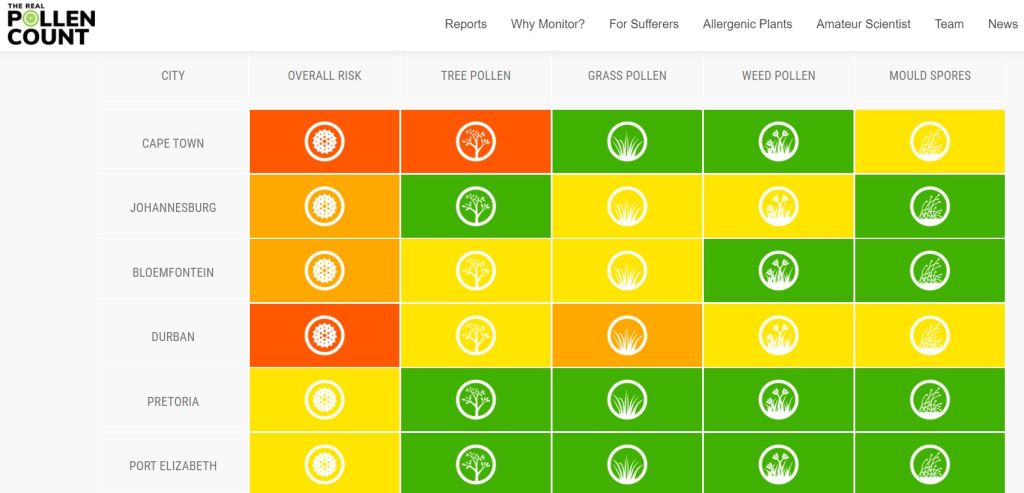
The Palaeolab manages Port Elizabeth’s only pollen and spore trap and generates weekly pollen and spore data for the city. This work forms part of a national monitoring network (www.pollencount.co.za).
 Lynne J. Quick